
探索剩餘時間的痕跡
「藝術性的活動如今已經變成了這樣一種東西:藝術家與他的觀眾分享最普通的日常經驗……成為 藝術家不再是一種獨特的命運,而是去進行一種每日實踐——一種弱的實踐,一種弱姿態。然而為 了維持這種弱的,每日生活層面的藝術,人們就必須要不斷地重複藝術的減法,去抵制那些強的圖 像,去擺脫那長久作為強圖像交換場所的現狀。」
– Boris Groys《弱普遍主義》
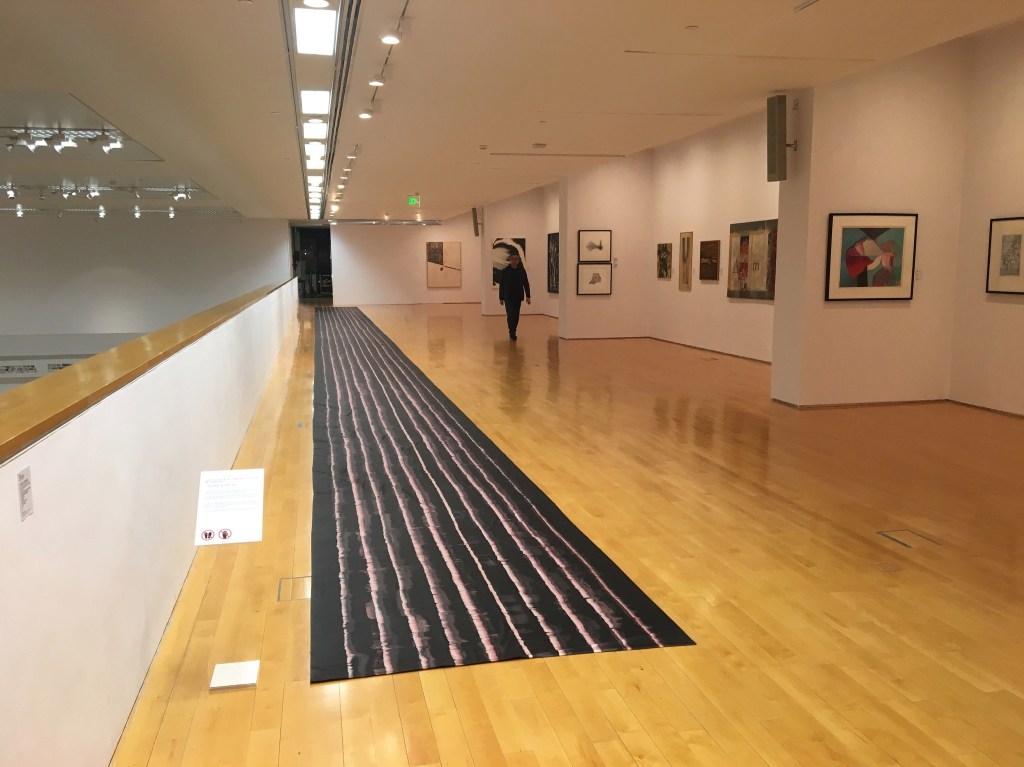
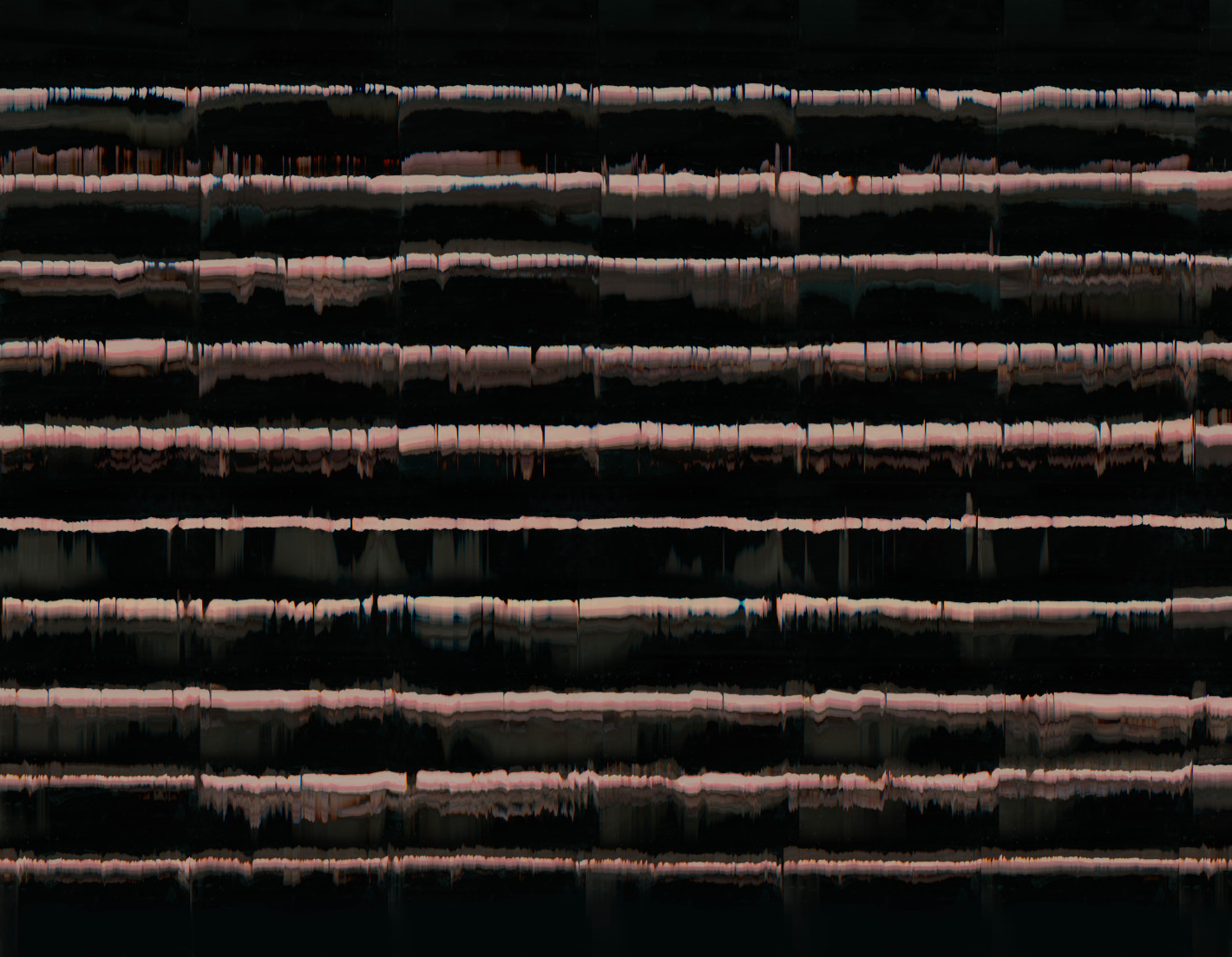
「弱姿態的重複」與日常習慣的重複性息息相關,微小的一個動作、一個姿態,當它每天以慣性運 行時,便組成和反映了我們自身身份的一部份,當我們累積更多時間在做同一件事的時候,它對我 們的認知、自我價值 、身份、和身體的影響力有可能遠超我們所預期的。在展場中間的裝置作品當 中,包括了節奏和紀律的時間概念。回應 Groys 提到的「弱姿態」和「時間壓縮」,《姿態不斷 重複,習慣始終如一》探討個人身份和數字屏幕之間的關係,同時亦講述在日常習慣中,作為一個 使用者,自身如何受到電子屏幕影響。整個作品由 600 張以上,均以不同組合合拼的數碼掃描影 像所組成,這些影像是通過掃描十根手指所得出來的,嘗試不停地重複在掃描儀的屏幕上水平滑動 – 以記錄和模仿使用電子屏幕的時間,製造出看似一樣,實際上確不一樣的圖像。 在掃描屏幕上執 行相同的手勢,「練習」並迫使自己重新思考自身和虛擬身份之間的關係。留在屏幕上的指紋的痕 跡和油脂被重覆的弱姿態一遍又一遍地擦拭與被擦拭,就像我們在互聯網上的匿名和「隱形足跡」 的狀況,形成了自我消除的狀態。
他還提到「當代藝術的可見性是一種弱的,虛擬的可見性,是一種在不斷縮短的時間中帶有天啟性 質的可見性。人們已經滿足於一個特定的圖像和一個特定的文章能夠被閱讀,至於那種閱讀中的真 實性就已經變得不那麼重要了。」互聯網已經成為一個平台,它能讓弱姿態不斷重複。這個概念跟 《姿態不斷重複,習慣始終如一》中的創作方法和相關背景互相呼應,弱姿態現今已成了數碼時代 重要的一環,我們不斷重複自己和循環習慣,大部份時間甚至連我們也不察覺,因為我們正在經歷 和身處其中。這最終對我們會有著怎樣的影響?生活在「弱姿態的重複」的狀態之中,我們將何去 何從?
Tracing The Time that Remains
‘Artistic activity is now something that the artist shares with his or her public on the most common level of everyday experience… To be an artist has already ceased to be an exclusive fate, becoming instead an everyday practice—a weak practice, a weak gesture. But to establish and maintain this weak, everyday level of art, one must permanently repeat the artistic reduction—resisting strong images and escaping the status quo that functions as a permanent means of exchanging these strong images.’
– Boris Groys, ‘The Weak Universalism’
The ‘repetition of the weak gesture’ is relevant to the rhythmic and disciplinary notion of time in my installation in the middle of the space. Responding to the ‘weak gesture’ and ‘compression of time’ mentioned by Boris Groys, ‘Gesture repeats itself constantly, habits remains constant throughout first, midst and last’ explores the relationship between personal identity and digital screens, as well as the concepts about ‘weak gesture’ in relation to our daily habits affected by technological devices. The whole collage is made through scanning my fingers with the same gesture in a repetitive manner – swiping horizontally on the screen of a scanner– to record and mimick the time encountering digital screens. The collage is finalised through the combination of 600 + digital scan images of my ten fingers. Same gesture is being ‘practised’, performing on the screen and forcing myself to rethink the relationship between self and virtual identities. Fingerprint grease that left on the screen was overwritten constantly and swiped over and over again. The time I spent and interact with screen, become a sign of self-erasure, echoing with the anonymity and ‘invisible footprint’ we left on the Internet. He also mentioned that ‘contemporary art’s visibility is a weak, virtual visibility, the apocalyptic visibility of contracting time. One is already satisfied that a certain image can be seen or that a certain text can be read – the facticity of seeing and reading becomes irrelevant.’ In short, as long as the image or text is easy to access, whether one has contemplated it or not becomes irrelevant. Groys remarks that the Internet has become a platform that enables weak gestures to continuously repeat. This concept relates with the context and method used in ‘Gesture repeats itself constantly, habits remains constant throughout first, midst and last’. Repetitive weak gesture becomes significant in contemporary digital age. We are constantly repeating ourselves, most of the time without us noticing. What its ultimate effect on us? Where will this lead us to?

 Weng Io Wong